
Facial Reanimation at the EACMFS Congress in Athens
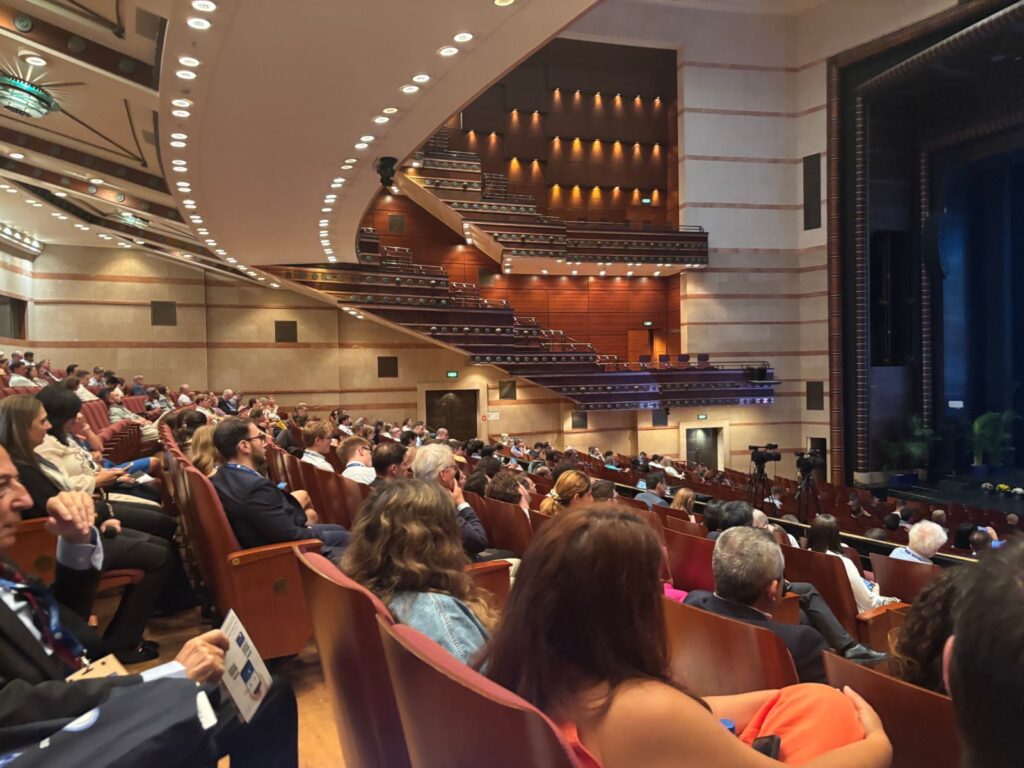
The EACMFS Congress in Athens brought together more than 3,200 delegates from across the field of cranio-maxillofacial surgery.
Ms Kallirroi Tzafetta recently joined more than 3,200 delegates at the European Association for Cranio-Maxillo-Facial Surgery (EACMFS) Congress in Athens, where the organising committee invited her to speak about lower-lip reanimation.
The international meeting brought together specialists from across cranio-maxillofacial, plastic, and reconstructive surgery to share research, surgical experience, and developments in treating complex facial conditions.
For Ms Tzafetta, the congress provided an opportunity to discuss an area in which she has considerable clinical and research experience: restoring movement to the lower lip following facial paralysis.
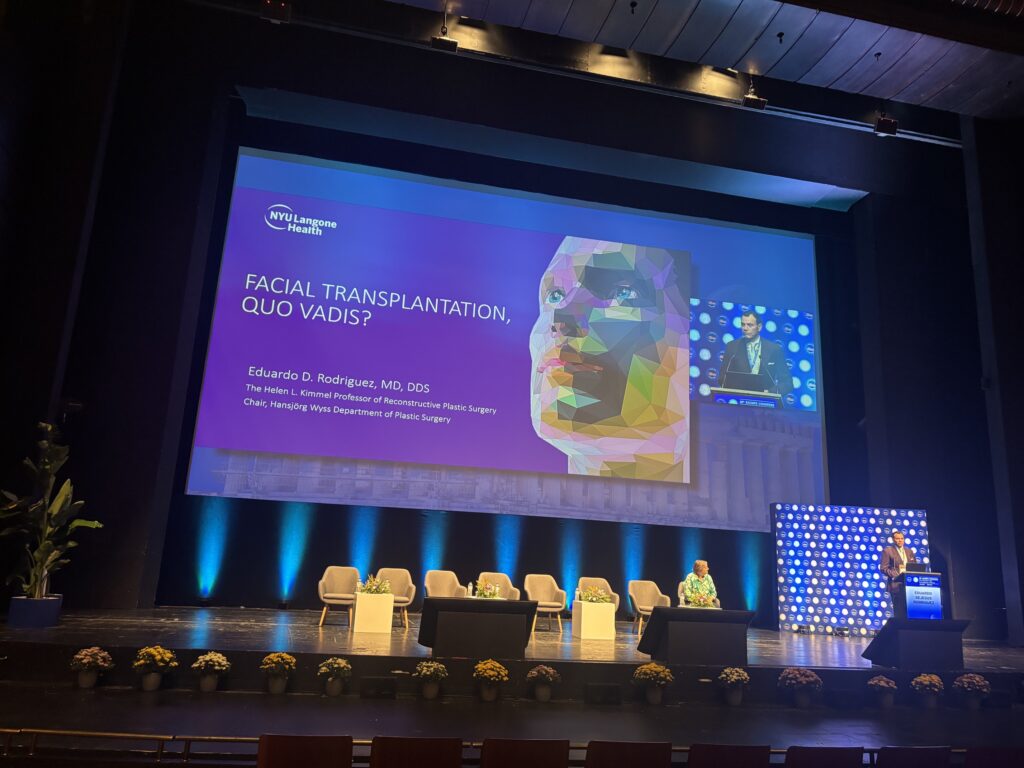
The scientific programme explored developments across cranio-maxillofacial, reconstructive and facial surgery.
Why lower-lip movement matters
When we think about facial paralysis and facial reanimation, attention often focuses on the eye or restoring a smile. However, the lower lip also plays an important role in facial expression and mouth balance.
Weakness or paralysis of the muscles responsible for lower-lip movement can create a visible imbalance between the two sides of the lower face, particularly during speech and expression. Successful reanimation therefore requires understanding not only the affected muscles and nerves, but also how their movement relates to the rest of the face.
Lower-lip reanimation has been an important part of Ms Tzafetta’s specialist work for many years. She and colleagues at St Andrew’s Centre for Plastic Surgery & Burns have published research into surgical techniques designed to restore dynamic lower-lip movement following facial paralysis.
This work includes a two-stage technique using a cross-face nerve graft followed by transfer of the anterior belly of the digastric muscle. Published research has examined both the physical results of this approach and patients’ own experiences following surgery, including its effect on psychological wellbeing.
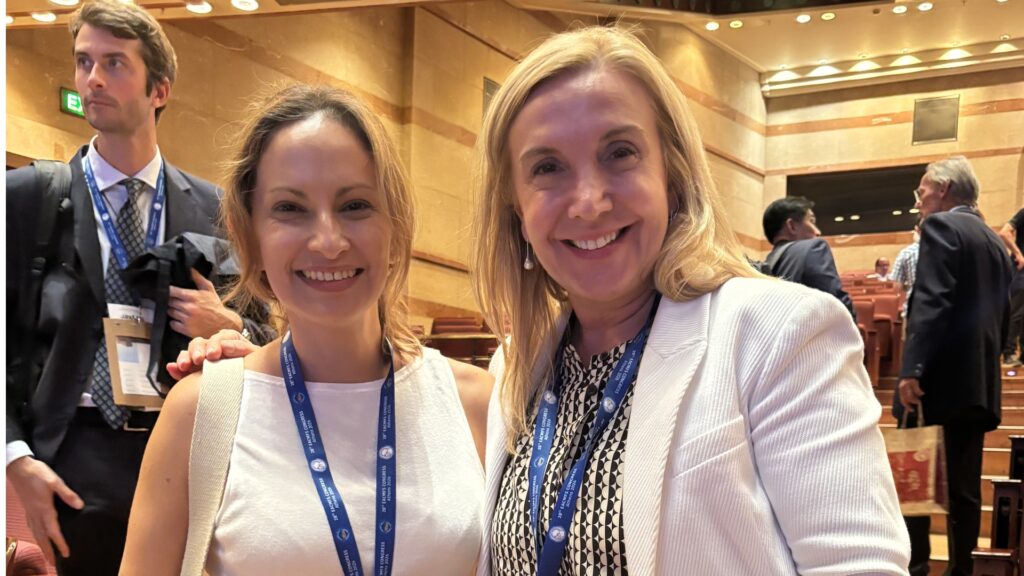
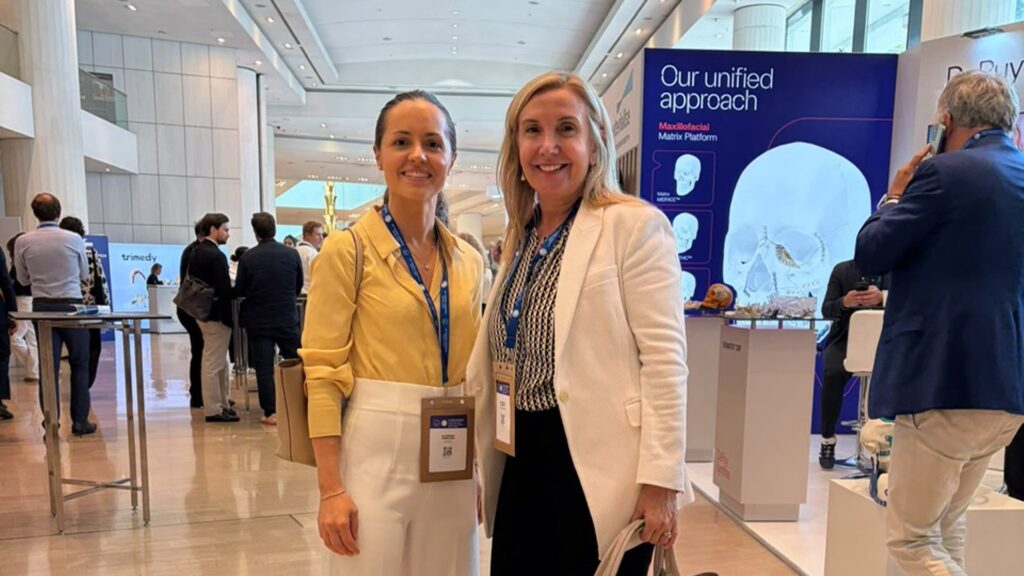
Dr Arbulu with Ms Kallirroi Tzafetta following Ms Tzafetta’s presentation on lower lip reanimation at the 28th European Congress of Cranio-Maxillo-Facial Surgery in Athens.
Understanding the face in motion
Lower-lip reanimation illustrates a fundamental challenge of facial surgery: the face is never simply a collection of individual features.
Muscles, nerves, soft tissues and the underlying skeleton work together to create expression. Restoring one element of facial movement therefore means considering how it interacts with everything around it. A face that appears relatively balanced at rest may behave quite differently during a smile, speech or other expression.
This relationship between anatomy, movement and appearance is central to Ms Tzafetta’s wider work in facial paralysis and facial reanimation. Her published research encompasses lower-lip reconstruction and broader approaches to restoring facial movement. At the same time, her clinical work combines detailed knowledge of facial anatomy with the practical challenges of restoring function and expression.
This theme also crosses the boundary between reconstructive and aesthetic facial surgery. In both, understanding how a face moves can be just as important as assessing how it looks when still.
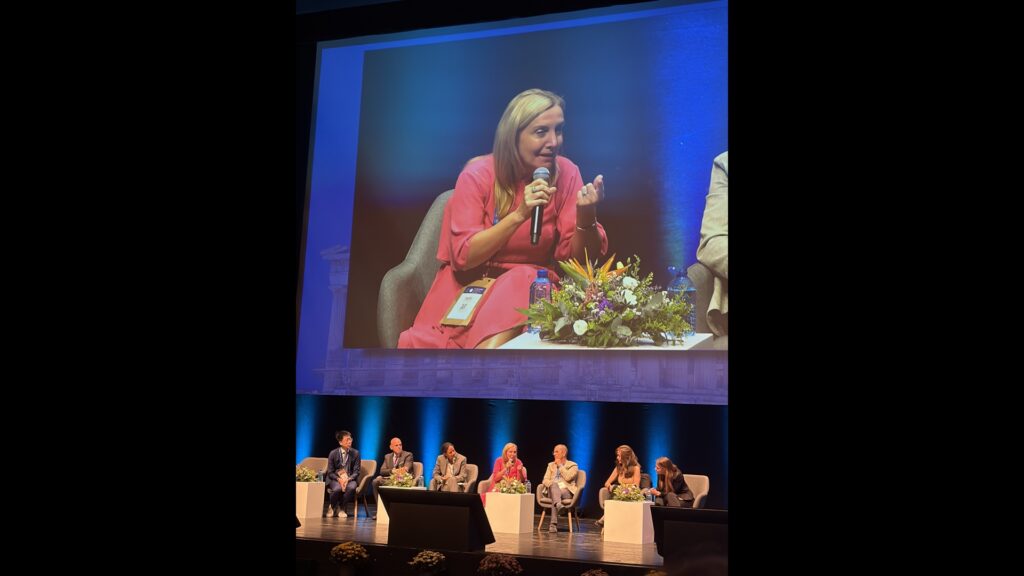
Ms Kallirroi Tzafetta speaking at the EACMFS Congress in Athens, where she was invited to discuss reanimation of the lower lip.
Sharing specialist experience in Athens
The EACMFS Congress offered an opportunity to discuss these challenges with specialists from around the world. The scientific programme encompassed a wide range of complex reconstructive subjects, including facial transplantation, alongside developments in cranio-maxillofacial surgery and facial reconstruction.
As an invited speaker, Ms Tzafetta shared her experience in lower-lip reanimation and also participated in a panel discussion during the meeting.
International congresses provide an important forum for specialists working in relatively focused areas of surgery. They allow surgeons to discuss techniques, compare outcomes and consider different approaches to some of the most complex problems in facial reconstruction.
For patients living with facial paralysis, continued research and collaboration of this kind contribute to a greater understanding of how surgeons can restore facial movement while respecting the individual character and function of the face.
Ms Tzafetta’s invitation to speak in Athens reflects her longstanding involvement in this field and provided an opportunity to contribute that experience to the wider international discussion surrounding facial reanimation.
Further Reading:
 videoandweb.com