

What To Do If Your Facial Weakness Is Not Improving
If one side of your face feels different, heavy or difficult to control, you may feel uncertain about what is happening. Your smile may appear uneven. You may notice that one eye does not close with ease. You may feel tightness when you speak or eat. Many people search online for Bell’s palsy. Others look for answers without knowing the medical term. Early recovery often occurs naturally. However, when progress slows, or when movement returns but feels tight or uneven, uncertainty can grow.
A specialist facial reanimation assessment offers clarity about how your facial nerve and muscles are working at this stage and whether additional support may improve movement or balance.

Understanding Facial Paralysis
Facial paralysis occurs when the facial nerve fails to transmit clear signals to the muscles of the face. Doctors often refer to this as facial palsy. The facial nerve controls expression. It gives you the ability to smile, close your eyes, move your lips and convey emotion. It also affects tear production and aspects of taste.
When the nerve becomes inflamed, injured or affected by infection, facial movement can change. For some people, the change feels dramatic. For others, the change feels subtle but persistent. Clarity about what has occurred allows for thoughtful and measured care.
What Is Bell’s Palsy?
Bell’s palsy represents the most common cause of sudden facial weakness. Signs usually develop within hours or days and tend to involve one side of the face. Many people regain movement within weeks or months. Some recover partially. Others recover movement yet develop tightness or involuntary movements called synkinesis. If recovery feels incomplete, or if your face feels tight or uneven, specialist assessment can clarify which stage of recovery you have reached.

Other Possible Causes of Facial Weakness
Viral infection, injury, surgery near the facial nerve, tumour treatment or congenital nerve variation can all lead to facial paralysis. A stroke can also result in facial weakness through a separate mechanism and demands immediate medical assessment.
The underlying cause influences recovery and treatment decisions. A careful review helps clarify what may happen next.
When Is It Time to Seek Specialist Guidance?
You may wish to consider a specialist facial reanimation assessment if:
- Facial weakness has not improved after several months
- Your smile feels uneven or strained
- One eye does not close comfortably
- Unintended movement appears during facial expression
- You are unsure whether further improvement will occur

Not everyone requires surgery. Reassurance, physiotherapy or ongoing monitoring often provide meaningful support. The purpose of consultation is to understand what remains possible and what does not.
What Does Facial Reanimation Involve?
Facial reanimation describes treatments that support facial movement and balance when natural nerve recovery remains incomplete. Care centres on restoring function. As movement improves, appearance often improves as well.
Treatment can include neuromuscular retraining, precise modulation of muscle activity or, in selected situations, surgical techniques that help restore movement or improve balance. Recommendations always depend on how your muscles respond during evaluation.
Care always begins with evaluation. Private appointments with Ms Tzafetta are available at hospitals and clinics for patients travelling from Pickwick.
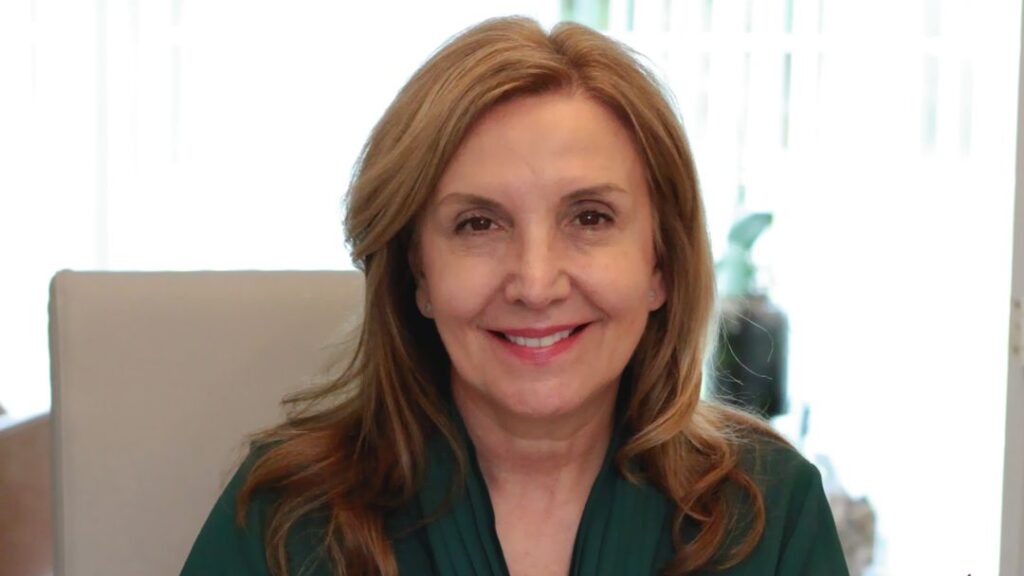
Facial Reanimation Assessment Available Near Pickwick
Ms Kallirroi Tzafetta practises as a Consultant Plastic and Reconstructive Surgeon on the GMC Specialist Register for Plastic Surgery. She maintains a Consultant post within the NHS at the St Andrew’s Centre for Plastic Surgery and Burns at Broomfield Hospital. Alongside her NHS role, she offers private specialist consultation for patients worldwide.
Her approach focuses on restoring meaningful movement and facial balance. In consultation, she evaluates facial balance at rest, smile coordination, the strength of eye closure and signs of tightness or synkinesis. She listens carefully to how changes affect daily life.
She recommends surgery only when it provides meaningful functional improvement.
Why Experience Matters in Facial Reanimation
Facial reanimation brings together reconstructive surgery, nerve surgery and advanced microsurgical technique. It calls for clinical judgement alongside technical precision. Treatment decisions rely on understanding muscle viability, nerve recovery potential, and how facial movement adapts over time.
Only a relatively small number of surgeons undertake advanced fellowship training specifically in facial paralysis and microsurgery. Ms Tzafetta undertook fellowship training in microsurgery and facial paralysis surgery in the United States. Her research on facial nerve recovery has appeared in peer-reviewed journals, and she has contributed to major surgical textbooks in this field. Experience influences not only which technique may help, but whether intervention will help at all.
Request a Consultation with Ms Tzafetta Near Pickwick
When recovery feels unclear, or imbalance continues to influence comfort or confidence, consultation can help bring clarity.
Consultations are available for individuals travelling from Pickwick and nearby towns. In consultation, we review how your facial nerve functions now, consider whether recovery continues, and discuss whether further support could improve balance or comfort.
Some people leave feeling reassured that recovery remains ongoing. Others gain greater clarity about the options available to them. In every situation, decisions stay measured and free from pressure.
To request a consultation, please use the contact page or complete the enquiry form. Ms Tzafetta’s team will assist you with the next steps.
Thoughtful care begins with listening.

Common Questions
Why has one side of my face drooped?
Bell’s palsy commonly causes sudden facial drooping due to inflammation affecting the facial nerve. Arrange immediate medical assessment if facial drooping appears together with speech problems, limb weakness or confusion.
How long does recovery from Bell’s palsy usually take?
Many people recover within weeks or months. Recovery differs from person to person. Some regain full movement, while others experience only partial improvement or persistent tightness.
What is synkinesis?
Synkinesis describes involuntary movement that occurs when nerve fibres reconnect in an uncoordinated way. As an example, the eye may close during smiling. Specialist facial physiotherapy can support better muscle coordination.
Is further improvement possible a year after facial paralysis?
Improvement relies more on muscle viability and nerve behaviour than on time alone. Even in longer-standing cases, assessment may identify options to improve balance or comfort.
Do I need surgery for facial paralysis?
Surgery is not always required. Many individuals improve with physiotherapy or careful monitoring alone. Surgery becomes appropriate only when it offers meaningful functional improvement.
Does stress lead to facial paralysis?
Stress does not directly cause facial paralysis. Stress can impact general wellbeing and potentially influence recovery. Seek medical assessment to identify the underlying cause of facial weakness.
What are the signs that my facial nerve is healing?
Subtle flickers of movement, improving facial balance or greater control over expression may suggest healing. Progress often feels uneven. Specialist assessment can help clarify nerve function.
Why does my eye shut when I smile?
This symptom usually relates to synkinesis. As the nerve heals, fibres can reconnect irregularly and cause unintended movement. Targeted therapy can help reduce this pattern.
Can facial weakness interfere with speech or eating?
Yes, it can. Weakness in the facial muscles can reduce control and coordination of the lips. Strengthening muscle function can help improve speech clarity and make eating more comfortable.
Do I need a specialist opinion if my GP suggests waiting?
In the early phase, Bell’s palsy commonly improves without intervention. If recovery slows, feels incomplete or causes ongoing imbalance, a specialist opinion can provide clarity and reassurance.
At what stage should a clinician consider referral for facial reanimation assessment?
Clinicians may refer when facial weakness continues beyond the anticipated recovery timeframe, when synkinesis appears, or when functional issues such as eye protection or oral competence do not resolve. Early referral can assist with structured long-term management and planning.
 videoandweb.com