
Causes of facial paralysis
Understanding facial palsy
Facial palsy is the term doctors use to describe weakness or paralysis of the facial muscles. It usually occurs when the facial nerve cannot signal the muscles of the face as usual. When this communication breaks down, the muscles do not move as they should. This can lead to weakness or paralysis of part of the face, one whole side, or, more rarely, both sides.
Facial Palsy can affect facial expression, eye closure, speech, eating and the overall balance of the face. These changes can feel sudden, confusing and, at times, unsettling.
Facial paralysis does not describe a single condition. A range of medical problems can affect the facial nerve, and the underlying cause plays an important role in recovery, long-term outcomes and whether specialist facial reanimation may help.
Medical specialists such as GPs, neurologists, and ENT surgeons diagnose and manage the conditions that lead to facial paralysis. Facial reanimation and facial plastic surgery focus on restoring facial movement, balance and confidence once the underlying cause has stabilised.
This page explains the most common causes of facial paralysis, with particular attention to facial palsy, which accounts for the majority of cases seen in clinical practice.
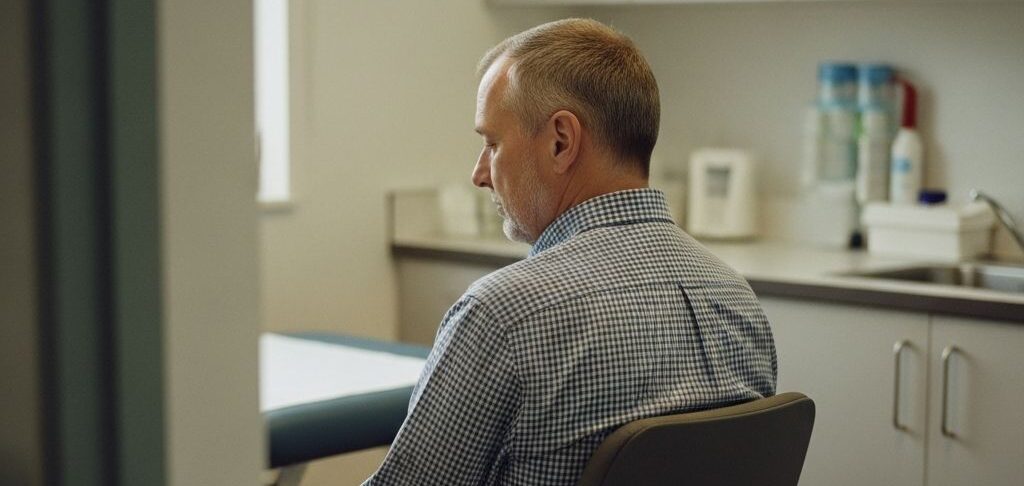
When urgent assessment matters
If facial weakness develops suddenly, it always needs prompt medical assessment. Facial drooping that appears alongside slurred speech, weakness in an arm or leg, confusion, a severe headache or collapse may indicate a stroke and requires emergency care.
If you notice new or rapidly changing facial paralysis, it’s essential to seek medical advice without delay.
Understanding the facial nerve
Each side of your face has its own facial nerve. Damage to the left facial nerve affects the left side of the face, while damage to the right affects the right side only.
The facial nerve begins in the brain and travels through the skull before entering the face just in front of the ear. From there, it divides into several branches that control facial expression. These muscles allow you to smile, frown, raise your eyebrows, close your eyes and move your lips.
The facial nerve also influences tear production, saliva flow and aspects of taste. These roles explain why facial paralysis may affect eye comfort, saliva control and taste perception. Because the nerve follows a long and complex pathway, inflammation, infection, pressure, trauma, or surgery can disrupt its function at different points along its course.
Facial palsy is the most common presentation
Facial palsy represents the most common form of facial paralysis and can affect people of all ages.
Facial palsy may develop suddenly or more gradually. You might notice weakness over a matter of hours or days, or you may experience a slower change in facial movement. The pattern and pace of onset often give doctors helpful clues about the underlying cause.
Severity varies widely. Some people experience weakness affecting only part of the face, often the mouth. Others experience paralysis affecting one whole side. In rarer cases, weakness affects both sides.
Recovery does not always follow a predictable path. Some people regain normal movement. Others recover partially or develop longer-term changes. These may include facial imbalance at rest, difficulty smiling naturally, muscle tightness or involuntary movement during expression.
When nerve signals do not return fully, muscles may weaken or lose coordination. Over time, this can change facial tone and movement in ways that may feel unfamiliar or frustrating.
Bell’s palsy
Bell’s palsy is the most widely recognised cause of facial palsy. Symptoms often appear suddenly and usually affect one side of the face. You may notice facial drooping, difficulty closing the eye, altered expression, changes in taste or discomfort around the ear or jaw.
Doctors describe Bell’s palsy as an idiopathic condition, meaning no single cause explains why it develops. Research suggests inflammation of the facial nerve, often triggered by a viral process. This inflammation disrupts nerve signalling, leading to facial weakness or paralysis.
Many people regain facial movement over weeks or months, particularly with early medical care. Others experience incomplete recovery. Some notice improvement that later slows, while others regain movement but develop ongoing imbalance, tightness or involuntary movement, known as synkinesis.
When these longer-term effects persist, Bell’s palsy can continue to affect daily life and confidence. In these situations, specialist facial reanimation assessment can help clarify whether further improvement remains possible and what support may help restore balance and expression.
Infections affecting the facial nerve
Certain viral and bacterial infections can affect facial nerve function and lead to facial paralysis. Ramsay Hunt syndrome, linked to shingles, may cause facial weakness alongside pain or skin changes around the ear.
Bacterial infections such as Lyme disease or severe middle ear infections can also disrupt facial nerve signalling. These conditions require medical treatment rather than surgery.
Facial reanimation may become relevant later if facial weakness persists after the infection resolves.
Trauma and injury
Facial paralysis can follow trauma to the head or face, including road accidents, falls, sports injuries or fractures involving the skull or facial bones.
In some cases, the facial nerve sustains bruising or stretching and recovers gradually. More severe injuries can lead to lasting weakness or paralysis.
If facial weakness continues to affect daily activities or confidence after injury, referral for specialist facial reanimation assessment may help clarify available options.
Surgical causes
Facial paralysis can develop during or after surgery near the facial nerve. Operations involving the ear, parotid gland or skull base carry particular risk because of the nerve’s location.
Examples include surgery to remove an acoustic neuroma or a parotid tumour. Some people experience temporary weakness that improves as swelling settles. Others sustain permanent nerve damage.
The team managing the original condition oversees that treatment. Facial reanimation focuses on restoring facial movement and balance if paralysis remains.
Congenital and developmental causes
Some people are born with facial weakness or paralysis because the facial nerve or facial muscles develop differently. This difference may affect one or both sides of the face and can range widely in severity.
Conditions such as Moebius syndrome affect facial movement from birth and can influence communication, expression and confidence. Specialist facial reanimation techniques may help restore movement, improve symmetry and support facial expression, even later in life.
Stroke and facial weakness
Stroke can cause facial weakness, but this differs from facial palsy caused by direct facial nerve damage. Stroke affects the brain’s ability to send signals to the facial nerve rather than damaging the nerve itself.
Stroke requires urgent medical treatment. Facial reanimation may play a role later if facial imbalance persists after recovery.
How facial paralysis can affect daily life
Facial paralysis affects far more than appearance alone. You may experience difficulty with eye protection, eating and drinking, speech clarity or facial comfort. Emotional effects often include reduced confidence, frustration and withdrawal from social situations.
Facial reanimation addresses both physical function and emotional well-being, aiming to restore balance and improve quality of life.
When facial reanimation may help
Once doctors identify and manage the underlying cause of facial paralysis, facial reanimation may help when recovery remains incomplete or facial imbalance continues to affect everyday life.
Specialist assessment focuses on how your facial nerve and muscles function now, helping determine what improvements remain realistic and appropriate for you.
Moving forward
Understanding the cause of facial paralysis forms the foundation of effective care. If you are living with facial palsy or facial paralysis, it’s natural to feel unsure about what comes next. Progress rarely follows a neat timeline, and careful assessment often matters more than speed.
 videoandweb.com